Western Grocer Serving the industry since 1916
Read the full article.
Why this matters now
- Rules are tightening: A Grocery Code can reshape retailer–supplier relationships toward clearer expectations, longer-term planning, and more structured collaboration—if suppliers are prepared to use it effectively.
- Competition is intensifying: The “phase 2” shock comes when hard discounters arrive (or expand), often forcing incumbents to respond quickly with sharper value offers and portfolio resets.
- Pressure on affordability continues: The piece points to food inflation outpacing wages and expects private label to keep growing in a constrained consumer environment.
“There are only two things that change grocery retailer behaviour: tighter rules and stiffer competition.”
— Paraphrased from Henry Chambers, Sentinel MC
Discounters: the “overnight impact” effect
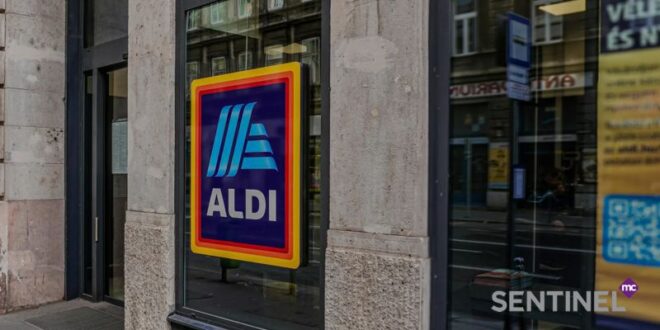
The article uses the U.K. experience as a template: when discounters gain momentum, incumbents often respond by introducing or expanding value tiers and rethinking how they fund service levels and in-store experiences. The piece highlights Aldi’s international scale and disciplined operating model as an example of why established players take discount expansion seriously. :contentReference[oaicite:1]{index=1}
Watch-out for retailers
- Cost-cutting can “flatten” differentiation: Under discount pressure, some retailers reduce higher-service departments and “retail-tainment” elements to protect margins.
- Value ≠ low quality: The column emphasizes that discount positioning can still be compatible with strong quality cues (product awards, special buys, etc.).
Vendor actions: what the author says is urgent
- Be Code-ready: Treat the Grocery Code as a practical tool—use it to clarify terms, expectations, and investment conversations.
- Defend the brand (or get displaced): Branded suppliers must sharpen their brand proposition as private label accelerates.
- Prepare for structural change: The column suggests the next wave of disruption is operational and commercial—beyond just tech.
These points are summarized from the closing “urgent actions” section of the Sentinel article. :contentReference[oaicite:2]{index=2}
WG takeaway
Whether you’re a retailer, supplier, or service partner, the practical opportunity in 2026 is to treat the Grocery Code as a working commercial framework—while simultaneously preparing for a value-led competitive cycle that can reprice expectations fast. The winners will be those who protect differentiation and become sharper operators.
Attribution: Summary based on “January 2026: The Future starts Today. Grocery Code & Discounters” by Henry Chambers, Sentinel Management Consultants (Jan 6, 2026).
Original article.