Western Grocer Serving the industry since 1916
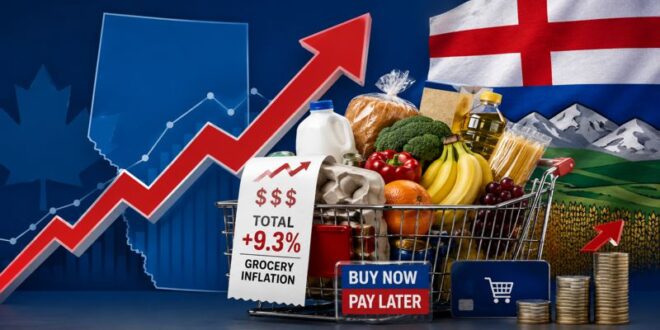
Albertans are paying the most per grocery purchase, according to a new report.
The Grocery Gap Report by fintech company Koho looked at grocery spending and financial behaviour of 173,000 Koho users, including over 28,000 Albertans. It analyzed data in the four western provinces along with Quebec, Ontario, Nunavut and the Northwest Territories from May of 2025 and May 2026.
The data revealed Albertans spent the most per grocery purchase.
“What we are finding is that high grocery costs are putting a ton of pressure on Canadian households and this is translated into people changing, where they shop, how they shop, how they manage their finances,” said Faye Lucas, head of consumer trust at Koho.
“(The average bill was a) little over $50, and that was 18 per cent higher than Ontario and then 12 per cent higher than B.C.,” Lucas said.
Melissa From, CEO and president of the Calgary Foodbank, points to the lack of produce production that happens in the province.
“We’re not we’re not the province where we’re seeing a lot of those major, food companies setting up shop to do grocery production and so then we have the cost of transportation, that gets added to the cost of our food,” From said.
“B.C. and Ontario, where they perhaps have a longer growing season and a bit more food production happening, they can sometimes help to mitigate the cost of groceries for their own population.”
Last year the foodbank would help between 700 to 750 families a day at its main location, now it is helping 800 and around 120 at its downtown location which opened in December. Inventory is declining as it normally has just over four weeks worth of food.
“(An) email that I got today (says it) is just a little bit more than two weeks worth of food in our warehouse, and so we are definitely starting to see the effects of that,” From said.
The report also says the adoption rate of KOHO’s “pay later” monthly repayment plan more than doubled — from 0.8 per cent of users to 1.7 per cent.
“We’re seeing grocery spend, climb, it’s you know, people are really using it to manage, everyday essentials,” Lucas said.
The federal government has tried to provide some relief to families through the quarterly Canada Groceries and Essentials Benefit, which began arriving in the bank accounts of some 12 million eligible residents last week.