Western Grocer Serving the industry since 1916
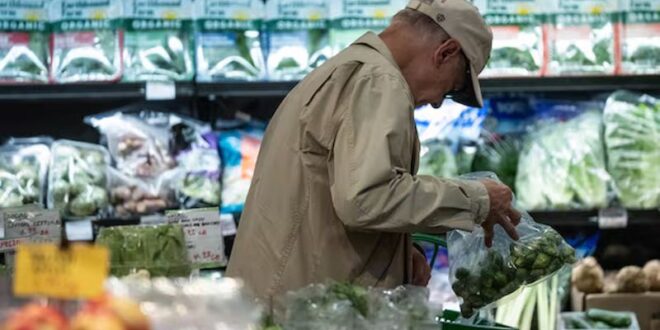
Community organizations in Winnipeg say they’re inundated with demand as Manitobans struggle to afford groceries and put food on the table.
It comes as the province continues to have one of the highest year-over-year food inflation rates in Canada at five per cent in June, behind Saskatchewan’s 5.1 per cent.
Manitoba also saw the third-highest inflation for fresh vegetables at 10.9 per cent, behind Alberta’s 13.6 per cent and Saskatchewan’s 12.1 per cent.
Demand for food from Community Helpers Unite, a food recovery non-profit and social enterprise that collects leftover and unwanted supplies from companies, restaurants and grocery stores, has been soaring.
Although the federal grocery rebate might help some low- and middle-income Manitobans temporarily, not nearly enough is being done to support people as high food inflation persists. Organizations that offer food education to vulnerable Winnipeggers need support, as do neighbourhoods with few grocery stores but many convenience stores, which generally carry fewer options at a higher price tag.
One food expert says Manitoba’s food inflation was lower compared with other provinces last year but has experienced an upswing in 2026, alongside Saskatchewan.
Sylvain Charlebois, director of Dalhousie University’s Agri-Food Analytics Lab, argues the province might need to increase food processing and retail competition, and invest in more green or sustainable transportation, to help make it more resilient to price volatility.
The federal government announced a food security strategy in June that commits $3.2 billion over a decade to help make food more affordable and produce more of it in Canada.
One way the government aims to do that is by creating more wholesale marketplaces known as food hubs and food terminals. They allow independent grocers and restaurants to buy food at competitive prices from farmers and sellers, bypassing supply chains owned by large retailers.
The Ontario Food terminal in Toronto is the only one of its kind in Canada. Ottawa plans to begin construction on two more by 2028, and establish or expand 10 food hubs, which are smaller — something Charlebois says would be beneficial for Manitoba.
The federal government says it will be finalizing eligibility and timelines this fall for the fund that will support hubs and terminals. The locations will be decided on an application basis.
While Manitoba dropped the provincial sales tax on prepared foods in grocery stores last month and works to increase retail competition, Manitoba Agriculture Minister Ron Kostyshyn says the province is closely following the rollout of the strategy.