Western Grocer Serving the industry since 1916
Lynsey Walker, CHFA, VP, Marketing & Communications
For decades, retail has been organized around product categories. Supplements lived in one aisle. Functional foods in another. Personal care in a different section entirely. Consumers were expected to connect the dots themselves.
Today’s shoppers think differently.
Whether they’re looking for better digestion, more energy, healthier aging or improved sleep, consumers are increasingly shopping with an outcome in mind—not a product category. They’re not asking, “Where are the probiotics?” They’re asking, “What will help me feel better?”
According to WGSN’s Retail Strategy 2027: Health & Wellness, wellness is no longer a silo but an ecosystem. Rather than merchandising individual products, retailers are encouraged to curate connected solutions that support consumers’ long-term wellness goals across food, supplements, personal care and lifestyle.
That shift presents one of the biggest opportunities for natural, organic and wellness retailers.
The goal isn’t simply to stock more wellness products. It’s to make wellness easier to navigate and becoming trusted partners in consumers’ wellness journeys.
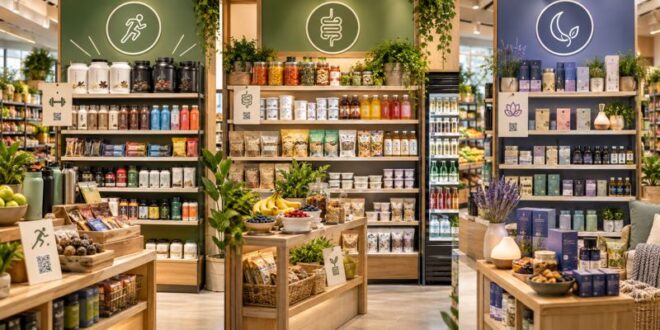
Merchandising by Goals
Strength, Energy & Recovery
Protein powders, shakes and snacks alongside creatine, electrolytes, magnesium and recovery products. This expands protein beyond the gym to active aging, energy and everyday strength.
Gut Health
Fibre-rich foods, prebiotics, probiotics, fermented products and digestive support. Protein products with added fibre or gut-health benefits could bridge both goals.
Better Sleep & Stress Support
Magnesium, herbal teas, calming supplements, functional beverages, aromatherapy and bedtime snacks.
These examples aren’t about promoting individual brands. They’re about demonstrating how retailers can create cross-category solutions that mirror the way consumers actually think about wellness.
Trust Turns Products into Solutions
Curating products around wellness goals is only half the opportunity.
The other half is helping consumers feel confident they’re making the right choices.
CHFA’s latest research, Triple Exposure: Trust, Transparency & Trade-Offs shows Canadian consumers are becoming increasingly discerning in their wellness purchases. Product quality, effectiveness and value remain primary purchase drivers, while transparency and credible information play an increasingly important role in building confidence. Consumers aren’t simply looking for more options—they’re looking for reasons to believe.
For retailers, that changes the role of merchandising.
A Gut Health destination shouldn’t simply group related products together. It should answer the questions customers are already asking:
- Why these products?
- How do they work together?
- Who are they designed for?
- What makes them different?
Educational shelf talkers, QR codes linking to trusted resources, knowledgeable staff and curated wellness guides all help transform a product display into a trusted solution.
In an era of overwhelming choice, trust has become a merchandising strategy.
From Transactions to Trusted Guidance
Leading retailers around the world are already embracing this evolution.
WGSN highlights examples such as Boots’ dedicated wellness zones supported by trained advisors, Olive Young’s integrated wellness retail concept and Holland & Barrett’s shift toward personalized wellness guidance. Together, these examples reflect a broader move from transactional retail to relationship-driven wellness experiences.
Canadian independent retailers have a distinct advantage.
Personal service, knowledgeable staff and community relationships have always been hallmarks of the natural products channel. Organizing products around wellness outcomes—and supporting those assortments with credible education—builds on those existing strengths.
Three Merchandising Moves to Try This Fall
1. Build wellness destinations, not category displays. Create cross-category assortments around outcomes such as gut health, recovery, sleep or healthy aging.
2. Add education where decisions happen. Shelf talkers, QR codes and staff recommendations help shoppers understand why products work together, reinforcing trust and confidence.
3. Merchandise routines, not individual products. Group complementary products around everyday rituals—from morning energy to post-workout recovery—to encourage discovery and increase basket size.
Looking Ahead
Consumers aren’t asking retailers for more products. They’re asking retailers to make wellness easier.
By organizing around wellness goals and supporting those solutions with trusted education, retailers can simplify decision-making, strengthen customer loyalty and demonstrate the expertise that has always set the natural products industry apart.